
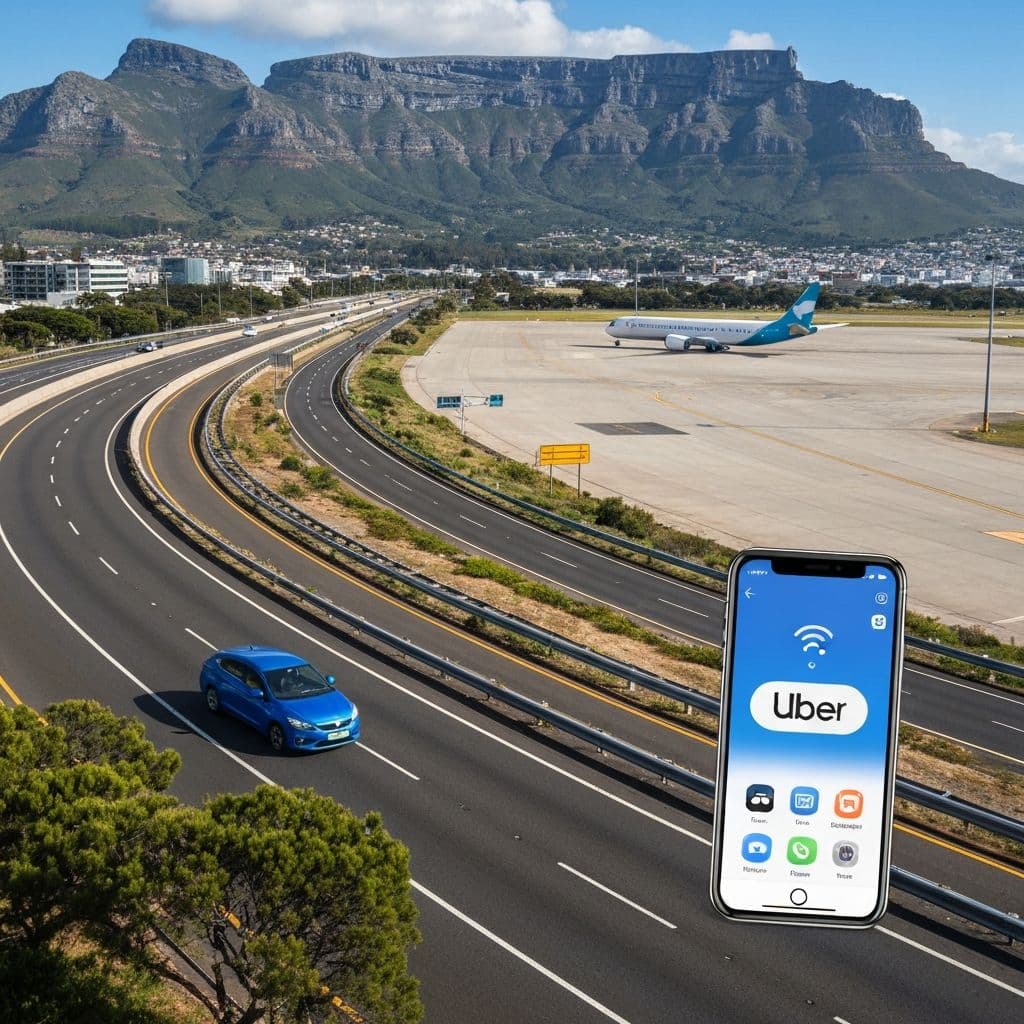
The Transport Challenge
Cricket World Cup 2027 will see millions visiting South Africa, Zimbabwe, and Namibia simultaneously. Transportation will be constrained. Planning flexibility is essential.
Getting to South Africa
International Flights
Most visitors arrive at OR Tambo International Airport (JNB) in Johannesburg. It is Africa's busiest airport with direct flights from Europe, USA, India, UAE.
Flight times from major markets:
Book flights early. World Cup demand will push prices up 30-50% in August-September 2027.
Alternative airports:
Domestic Transport Between Cities
### Flights (Fastest)
Johannesburg to Cape Town: 2 hours
Johannesburg to Durban: 1.5 hours
Cape Town to Durban: 2 hours
Airlines:
Cost: R800-2,500 ($45-140 USD) depending on notice and airline.
Advantages: Fast, comfortable, frequent
Disadvantages: Airport processes add 2-3 hours, baggage fees, higher carbon footprint
Recommendation: Fly if you have multiple matches in different cities. Drive if you are stationary 3+ days in one region.
### Road Travel
South Africa has excellent highways. The N1, N3, and N4 are well-maintained, signposted, and drive-able.
Johannesburg to Cape Town: 1,470 km, 14-16 hours driving
Johannesburg to Durban: 590 km, 7-8 hours driving
Cape Town to Durban: 1,910 km, 20-22 hours driving
Most visitors don't drive long distances in one stretch. Two-day drives with overnight stops are common.
### Car Rental
Where to rent: Avis, Hertz, Europcar at OR Tambo, Cape Town, Durban airports.
International Driving Permit: Not required for UK/USA citizens with valid license. Get an International Driving Permit if your license is not in English.
Costs (mid-range car, insurance included):
Insurance: Third-party is mandatory. Full coverage (CDW) recommended, typically R200-300/day.
Fuel: Petrol is approximately R20-22/liter ($1.15-1.25/liter), so 1,000 km costs roughly R1,500-2,000 fuel.
Drive on the LEFT side. This trips up Americans. Pay attention first 50km.
Speed limits: 120 kph on highways, 60 kph in cities.
Safety: Drive during daylight when possible. Carjacking is rare but avoid stopping in unfamiliar areas at night. Lock doors, close windows at traffic lights.
### Ride-Sharing (Uber, Bolt)
Available in all major cities.
Johannesburg and Cape Town: Uber is reliable, R80-150 for typical journeys.
Durban: Less reliable coverage than JNB/CPT, but available in central areas.
Regional towns: May not be available — plan ahead.
Advantage: No navigation stress, driver knows routes
Disadvantage: Can surge during peak hours, surcharge during matches
Use ride-sharing within cities, driving for multi-city journeys.
### Intercity Buses
Companies like Greyhound and Translux offer bus services between major cities.
Cape Town to Johannesburg: 20+ hours, R400-600 ($25-40)
Johannesburg to Durban: 8-10 hours, R150-250 ($10-16)
Advantages: Cheapest option, Wi-Fi on board
Disadvantages: Very slow, limited comfort compared to flying or driving yourself
Buses are a budget option for backpackers, not practical if you have multiple matches across cities.
Getting to Venues
### Johannesburg — Wanderers Cricket Ground
Recommend staying in Sandton or exploring our Johannesburg city guide for accommodation and dining options near the venue.
### Cape Town — Newlands Cricket Ground
Staying in the city center (V&A Waterfront) requires a 20-minute Uber. Check our Cape Town guide for hotels and attractions in the area. Consider staying in Camps Bay or Newlands itself for convenience.
### Durban — Kingsmead
Visit our Durban city guide for accommodation near the stadium and beachfront attractions.
Match-Day Logistics
Arrive early: Allow 2-3 hours before match start. Parking and security queues build quickly.
Transport options before matches:
After matches (critical): 50,000+ fans seeking transport simultaneously. Options:
1. Walk nearby — If staying 2-3 km away, walk 15-20 minutes while traffic clears
2. Have dinner/drinks at venue — Wait 1-2 hours for traffic to subside, then ride home
3. Book Uber pre-match — Ask driver to wait or arrange pickup for specific time
4. Designated shuttles — ICC and hotels will likely run shuttles; confirm details at booking
Expect 45-60 minute waits for rides after sold-out matches. Plan accordingly.
Key Recommendations
1. Book rental car early — Prices peak in August-September 2027
2. Consider one-way rentals — Rent in JNB, drop in Cape Town to avoid return drives
3. Get an International Driving Permit — $20-30, eliminates rental complications
4. Stay within 30 min of your match venue — Transport is a bottleneck, proximity matters. See hotel guides for options.
5. Plan intercity movements early — Flight or drive, book well ahead
6. Have backup transport options — Uber surge pricing is real during tournaments
Cost Example: Two Weeks, Multiple Cities
Total transport for two weeks: $2,800-4,000
Check our full travel guides for accommodation and experience planning to complete your budget.