
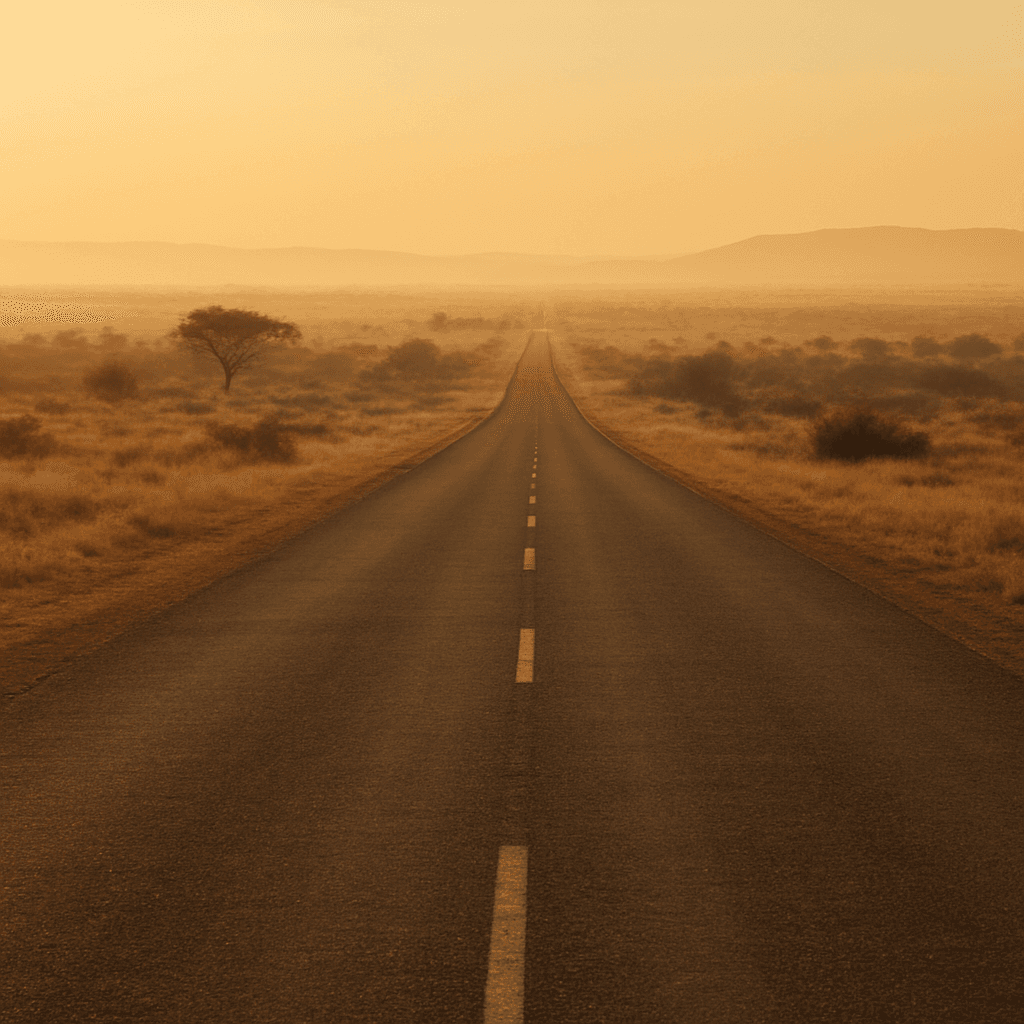
Car Rental for Cricket World Cup 2027
The 2027 ICC Men's Cricket World Cup spans South Africa (44 matches across 8 venues), Zimbabwe, and Namibia. Renting a car is the most flexible way to get between stadiums, cities, and safari destinations.
Compare prices from leading car rental companies and find the best deal for your journey.
Compare Car RentalsWhy Rent a Car for Cricket World Cup 2027?
54 Matches Across Three Countries
The 2027 ICC Men's Cricket World Cup features 54 matches across South Africa (44 matches), Zimbabwe, and Namibia (10 matches combined). A rental car gives you the flexibility to follow your team across venues.
Long Distances Between Venues
South Africa alone spans 1,400 km from Johannesburg to Cape Town (around 14–15 hours driving). A rental car lets you travel on your own schedule and stop where you want.
Limited Public Transport Between Cities
Intercity public transport between major cities is limited. A rental car is the most practical option, especially for groups or anyone combining matches with safaris and sightseeing.
Host Venues & Where You'll Need a Car
Confirmed venues across all three host nations. Exact match allocations for Zimbabwe and Namibia are yet to be finalised by the ICC.
- Wanderers Stadium · Johannesburg
- SuperSport Park · Centurion (Pretoria)
- Newlands · Cape Town
- Kingsmead · Durban
- St George's Park · Gqeberha
- Mangaung Oval · Bloemfontein
- Buffalo Park · East London
- Boland Park · Paarl
Excellent road infrastructure. Modern highways connect all eight host cities.
- Harare Sports Club · Harare
- Queens Sports Club · Bulawayo
Main routes between Harare and Bulawayo are well maintained. The N1 highway connects both cities (440 km, approx. 5 hours).
- Wanderers Cricket Ground · Windhoek
Windhoek is the sole expected venue. Vast distances if combining with safari. A 4x4 is recommended for travel beyond the capital.
Key Driving Distances
Southern Africa is vast. These are the key routes between tournament cities — plan extra time for rest stops, fuel, and traffic.
| From | To | Distance | Drive Time | Main Road |
|---|---|---|---|---|
| Johannesburg | Cape Town | 1,400 km | 14–15 hrs | N1 |
| Johannesburg | Durban | 590 km | 5–6 hrs | N3 |
| Johannesburg | Bloemfontein | 400 km | 4 hrs | N1 |
| Johannesburg | Gqeberha | 1,050 km | 10–11 hrs | N10 |
| Cape Town | Paarl | 60 km | 45 min | N1 |
| Harare | Bulawayo | 440 km | 5 hrs | A5/N1 |
Drive times are approximate under normal conditions and exclude stops.
Ready to Compare Prices?
Book early — rental cars sell out fast during major international sporting events.
Compare Car RentalsDriving Tips by Country
All three countries drive on the left. Each has its own rules, road conditions, and requirements to be aware of.
- Drive on the left: All three host nations drive on the left-hand side of the road.
- Speed limits: 120 km/h on highways, 100 km/h on rural roads, 60 km/h in urban areas. Strictly enforced by traffic cameras.
- Four-way stops: Common across South Africa. The first vehicle to arrive goes first. If two arrive simultaneously, the vehicle on the right has priority.
- Minimum rental age: Most rental companies require drivers to be at least 23 years old with a licence held for 2+ years. Under-25 drivers typically pay a young driver surcharge.
- Safety at traffic lights: Keep doors locked and windows up at traffic lights (called 'robots' locally), especially in Johannesburg and Durban.
- Night driving: Avoid driving at night in unfamiliar areas. Unmarked road hazards and livestock on roads increase after dark.
- Licence requirements: Your home country licence is valid. An International Driving Permit (IDP) is strongly recommended; it is required if your licence is not in English.
- Drive on the left: Same as South Africa.
- International Driving Permit required: Zimbabwe law enforcement and most rental companies require an IDP alongside your domestic licence. Obtain it before you travel.
- Speed limits: 120 km/h on highways, 100 km/h rural, 60 km/h urban. Police roadblocks with speed checks are common.
- Road conditions: The A5/N1 highway between Harare and Bulawayo is well maintained. Secondary and rural roads can be rough.
- Fuel: Fuel availability has improved significantly. US dollars are widely accepted. Keep the tank above half on longer routes.
- Documentation: Carry your passport, IDP, rental agreement, and proof of insurance at all times. Police checkpoints are common on main routes.
- Wildlife on roads: Be cautious at dawn and dusk near national parks — animals frequently cross roads.
- Drive on the left: Same as South Africa and Zimbabwe.
- Minimum rental age: Rental companies generally require drivers to be 21–25 years old. Carry a valid passport, credit card, and original driver's licence.
- International Driving Permit: Required if your licence is not in English. Obtain it in your home country before travelling.
- Gravel roads: Many scenic routes in Namibia are unpaved gravel. The legal speed limit is 80–100 km/h on gravel, but experts advise no more than 60–80 km/h. Excessive speed on gravel is a leading cause of rollovers.
- 4x4 recommended: Essential for visiting Etosha, Sossusvlei, and other areas beyond Windhoek. Verify your rental insurance covers off-road and gravel tracks.
- Fuel stops: Petrol stations can be extremely sparse on intercity routes. Fill up at every opportunity and carry a jerrycan on remote routes.
- Long distances: Windhoek to Etosha is around 430 km (4–5 hours). Plan routes carefully and allow extra time.
Crossing Borders With a Rental Car
- •Cross-border insurance: Not all rental policies cover travel between South Africa, Zimbabwe, and Namibia. Confirm explicitly with your rental company before booking.
- •International Driving Permit: Required in Zimbabwe and Namibia if your licence is not in English. Obtain it from your national automobile association before you travel.
- •Vehicle authorisation letter: Rental companies must provide a letter authorising cross-border use. Carry it with the rental agreement and your passport.
- •Visa requirements: Check visa requirements for each country. South Africa, Zimbabwe, and Namibia have different entry requirements depending on nationality.
- •Green card / SADC: Some rental companies provide a SADC (Southern African Development Community) green card for regional travel. Ask for this when booking.
Start Planning Your Cricket World Cup Journey
Compare prices from leading car rental companies across South Africa, Zimbabwe, and Namibia. Book early — availability is limited during major tournaments.
Compare Car RentalsMultiple companies • Best price guarantee • Instant booking